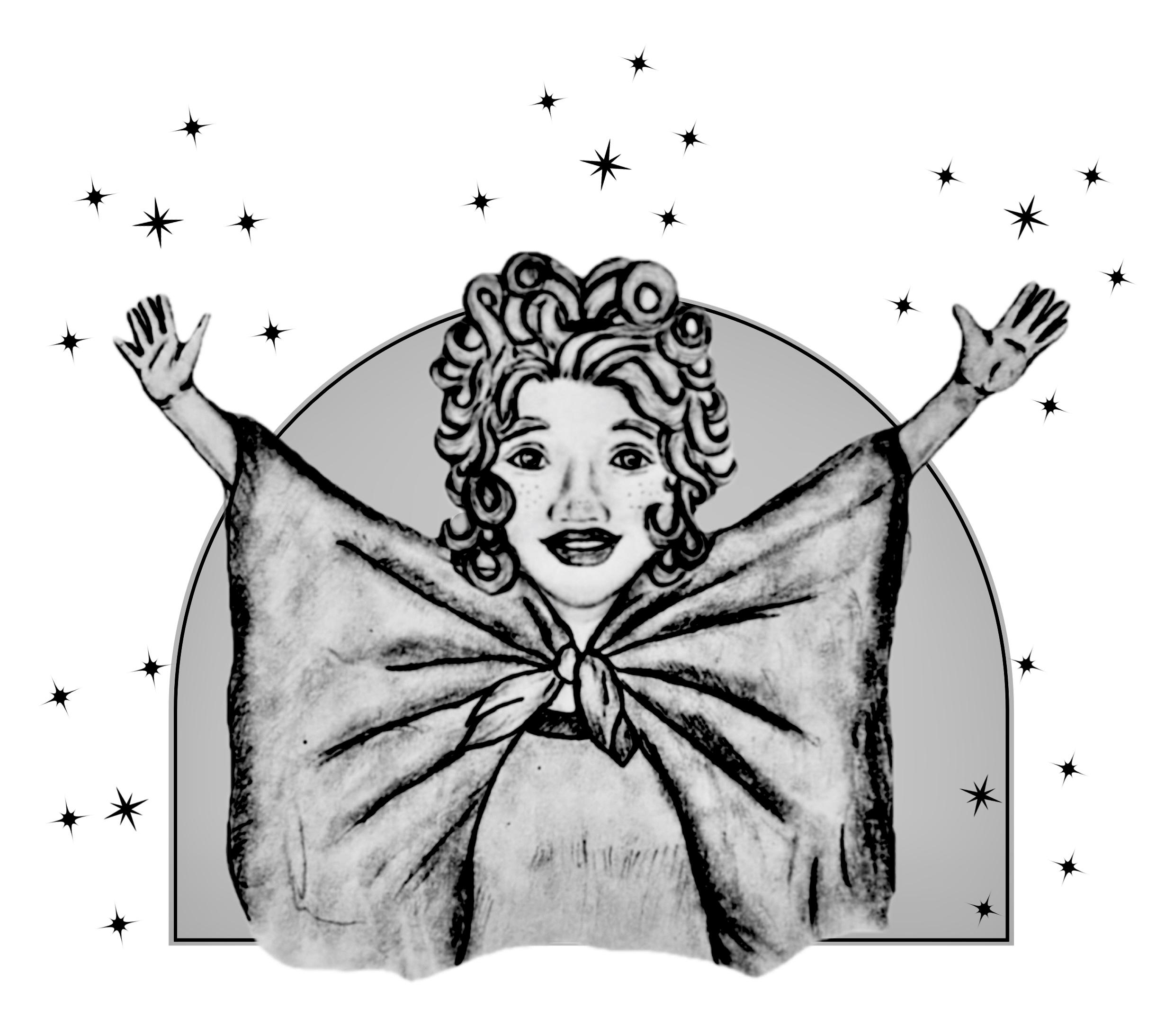
Hello again! For those who don't know, I'm Clarity, the original Mama Palooza. I am a PDA adult, raising PDA kids, and the author of a children's book with neurodivergent representation... including PDA.
Last time, we dug into what's really happening in a PDA brain when a demand hits the nervous system. We talked about the amygdala, the threat response, and why we can look at PDA as a nervous system problem. If you missed it, it's worth a read!
Today we're stepping a little bit into Mama Palooza's world. We'll watch these concepts come to life, and dig into something really important: co-regulation. What it is, why it works, and how one goofy grown-up used it to turn a doomy, dysregulating chore into a kid-led adventure.
A Quick Reminder About PDA
Persistent Drive for Autonomy (PDA), otherwise called Pathological Demand Avoidance, is a profile of autism where the nervous system perceives demands, big or small, as a threat. When that happens, the thinking brain goes offline. Fight, flight, fawn or freeze takes over, and no amount of reasoning or consequences is going to reach a brain in that state.
This is a nervous system response to a hyperactive threat response, plain and simple. And the only way through? Support. Calm. Co-regulation.
So... What Even Is Co-Regulation?
Co-regulation sounds fancy, but it's actually something most of us do instinctively without realizing it. It's the act of using your own calm, regulated nervous system to help somebody else's nervous system find its way back to feeling safe.
For a PDAer specifically, co-regulation means communicating safety, validation, and autonomy. It tells them, without words if needed: I hear you. I see you. I'm with you. You are safe here. You are in control here.
Also for a PDAer, this is easier said than done. Simply explaining your support or offering help isn't going to work when that threat response is activated, because again... the brain can't really process what you're saying.
Nope, to help your kiddo come back to a regulated state, you'll need to speak directly to that nervous system. But since it's hyperactive… we need to catch its attention first. Luckily, we have some tools and tricks that will help us do that!
Getting Their Attention First
Of course, not every concept here is appropriate for every situation. You know your child, always trust that.
First things first, try funny! Weird! A bit unexpected and out of the box! Novelty and humor are very helpful for the PDA brain. These can trigger dopamine and other feel-good brain chemicals, which help interrupt the threat response and give the nervous system a moment to breathe. And when the nervous system lets go a little bit, we get a window to go in and help guide our kiddo out of survival mode. In other words, we catch its attention! Then, we can help to lower the threat response.
Lowering Demands
We start by lowering demands. And again, this isn't always as easy as it sounds. Along with the silly factor, Mama P understands a very important part of PDA life. Some accommodations don't look as obvious as others. Sometimes accommodating the nervous system means asking a question about their special interest to provide them a "one-up" position, or plain old stopping demands before they show up on that radar. In fact, some demands are invisible, and we hunt them out anyway.
For example, with an internalized PDA profile, our character Ellie feels a good deal of safety in the fact that Mama P is clearly on top of things. We actually see this several times. A wink when Jack appears to be getting worked up, *one more*, or even a pre-prepped sensory friendly snack for her sister. Ellie says it each time.
It's like she just knew stuff.
Whenever Ellie perceives this, a signal of safety is sent to her brain. This lowers the demand of the unexpected. The "what ifs" can weigh heavily on the PDA mind, and removing the internal demand to think them all through, because someone else already is... well, that's a big help.
Creating a Safe Space
Hunting down hidden demands is one layer of this. But lowering the radar isn't just about what we remove, it's also about what we build. And what we're building is safety, so our kiddos can feel safe enough to come out of survival mode, and just be themselves.
Authenticity is huge for a PDAer. Masking, or hiding our needs and nervous system reactions in order to fit in or avoid consequences, well… it comes with consequences anyway. But these ones are a direct hit to the nervous system. With every mask we employ, a piece of our “neural reserves” is used up. Once that goes empty… we melt.
I plan to do a post on authenticity alone in the near future. After all, Palooza Land is all about being yourself out loud! For now, I'll say that instead of masking, we want our kids to feel like who they are is accepted for their true selves, and every part of them is understood, loved, and celebrated.
That's why the environment we create matters so much. So, with any challenges that come up, it's important to remember the cause. It's about accepting that the nervous system does this with PDA, and that the behavior is a symptom of a biological threat response. We know that feeling like anyone is above them in any way can be an activator for the PDA nervous system.
Equality matters, a LOT!
In fact, a "one-down" position can be debilitating. But, perceiving themselves in a "one-up" position can be very helpful. Mama P talks to the kids on their level, values what they say, and provides them with opportunities for autonomy, choice, and being "right."
Mama P arrives as a collaborator. She arrives without agenda. Without authority. Without the weight of "this needs to happen right now." When the kids explain that the daunting cleaning task is making them “melt,” she immediately takes their side as a fellow problem-solver. Someone who is just as baffled by this whole cleaning situation as they are, and says she will not stand for it! In fact, we hear it straight from her in the story.
Clean? Silly girl—no, no, no! I’ve got a better way to go!
Simplifying in Action
In the story, Mama P simplifies each demand. For example, when it was time to clear the laundry away. She changed this up, making it fun instead of frustrating.
A fold is a fold. And sure, it looks nice. But I did tell you once, now I'll tell you twice. We are not cleaning. It's still time to play. So just follow me, we'll try a new way!
One basket for dirty, one basket for clean. Let's keep it simple. See what I mean?
With that, Mama P has simplified and lowered the demand with the laundry, and provided the opportunity for a “one-up” position, showing the kids they are now running the show. All of this helps to lower that radar, which lowers the masking, which encourages authenticity, which improves the brain and lessens the stress level that keeps us in fight or flight. Now they aren't following demands, they're getting away with a sneaky plan of lowering demands and creating something fun.
Mama P doesn't focus on the behavior. Whether Jack is kicking stuffies or Grace is ordering everyone around, it makes no difference to the approach. The focus is on why the behavior is happening, and how to lower the pressure enough for the kids' true selves to come back online. She provides calmness, validation, and choices. She lets the kids lead. She follows their cues. She encourages them to be themselves out loud.
Change It Up
A good move is always to leave the stressful space if possible. This is intentional. When the environment itself is loaded with stress, sometimes the most powerful thing you can do is step out of it completely. A change of scenery gives the nervous system a small but meaningful reset.
And how did Mama P get the kids to leave a stressful room? Fart joke.
Well, first, we need to leave this room. A break is good for the heart. Plus, it might need some time to air out. Jellybean, did you just fart?
Now, I'm not suggesting we all start rhyming all day and night. But I will keep stressing the importance of the funny. Because again, novelty... unexpected, silly, surprising moments... release dopamine. And again, dopamine gives the PDA brain just enough breathing room to start coming back online. (Plus, fart jokes always win.)
Honestly, the laughter helps too. When the emotional temperature drops, even a little, there's space for something else to come in.
Calm the Threat
With the nervous systems a little more settled, Mama P sits with the kids. Not above them. Not across from them with a plan. Right there with them, on their level. She asks how they're doing. She listens. She repeats back what she heard them say. And crucially... she agrees with them.
And just like that, she's not the authority figure presenting a demand. She's a teammate, looking at the same problem from the same side. Threat response, calmed. The kids go from feeling like they're being pushed toward something overwhelming, to feeling like someone finally gets it. From there, they can start to think together about what to do next.
Like a Bike, But Make It a Nervous System
Think about it like this. When they learn to ride a bike, we run behind them, holding the bike steady when they start to wobble, making them laugh to distract them from their worries, praising their efforts to instill feelings of confidence and safety, watching for danger around them and cueing them to push on the brakes when they need to slow down.
Well, co-regulation is pretty much the same thing, but we're replacing the bicycle with the nervous system. We run behind them, always. We use validation and declarative language to hold them steady when the nervous system begins to unwind them. We employ novelty and humor to divert their focus and break up the threat response with dopamine. We use positive praise and radical acceptance to instill confidence and encourage authenticity over masking.
More than that, we watch every look, monitor every tone, analyze every environment... we scan for safety every minute of the day to stay ahead of nervous system activation whenever possible. And we are there when those threats are perceived, to help them slow down, calm their nervous system, and process what is happening.
The Reality of PDA Parenting
PDA life is just that... a way of life. Some days, we thrive. Other days, we just survive. The fact is that nervous system activation is an ongoing occurrence. It's going to keep happening. New things will become familiar, special interests will change, and there will be some days that nothing helps.
PDA parenting is a journey that requires radical acceptance, validation, and grace. Accept that this is the deal. We're not sticker chart parents, and a lot of people won't understand us, our children, or our lives. We need to be okay with that.
Validate yourself as much as you validate your child. Find support where you can, connect with other PDA parents, and do what you need to do to remember how important and right you are to stand strong for your child.
And the grace. Give yourself a break. No mean self-talk when you're too tired to get dressed. No guilty feelings when you order pizza for dinner after an afternoon of meltdowns. (Yes, even when that order includes three different versions of sauceless or cheeseless or other accommodations that others might not have to do!) No internalizing the dirty looks when we support our children instead of scolding them. Whether we find the grace we need in society or not, we can give it to ourselves. In fact, this life demands it.
Next up: The Color Game! In the first Mama Palooza book, Mama P uses a game to employ co-regulation in action, and encourage autonomy and authenticity. We'll talk about what this game did, and why it worked!
Until then, remember… As a PDA parent, you are always ten steps ahead and ten steps behind at the same time. That's just PDA life. No manual, just you. And that's enough. Trust that. 💛